Delegating Tasks: Fostering Team Involvement and Reducing Workload
In the dynamic world of dance coaching, it's not uncommon for coaches to find themselves juggling numerous responsibilities. From choreography planning to administrative tasks, to second jobs, the workload can quickly become overwhelming. However, one effective strategy for managing this workload while fostering a sense of team involvement is delegating tasks to dancers.
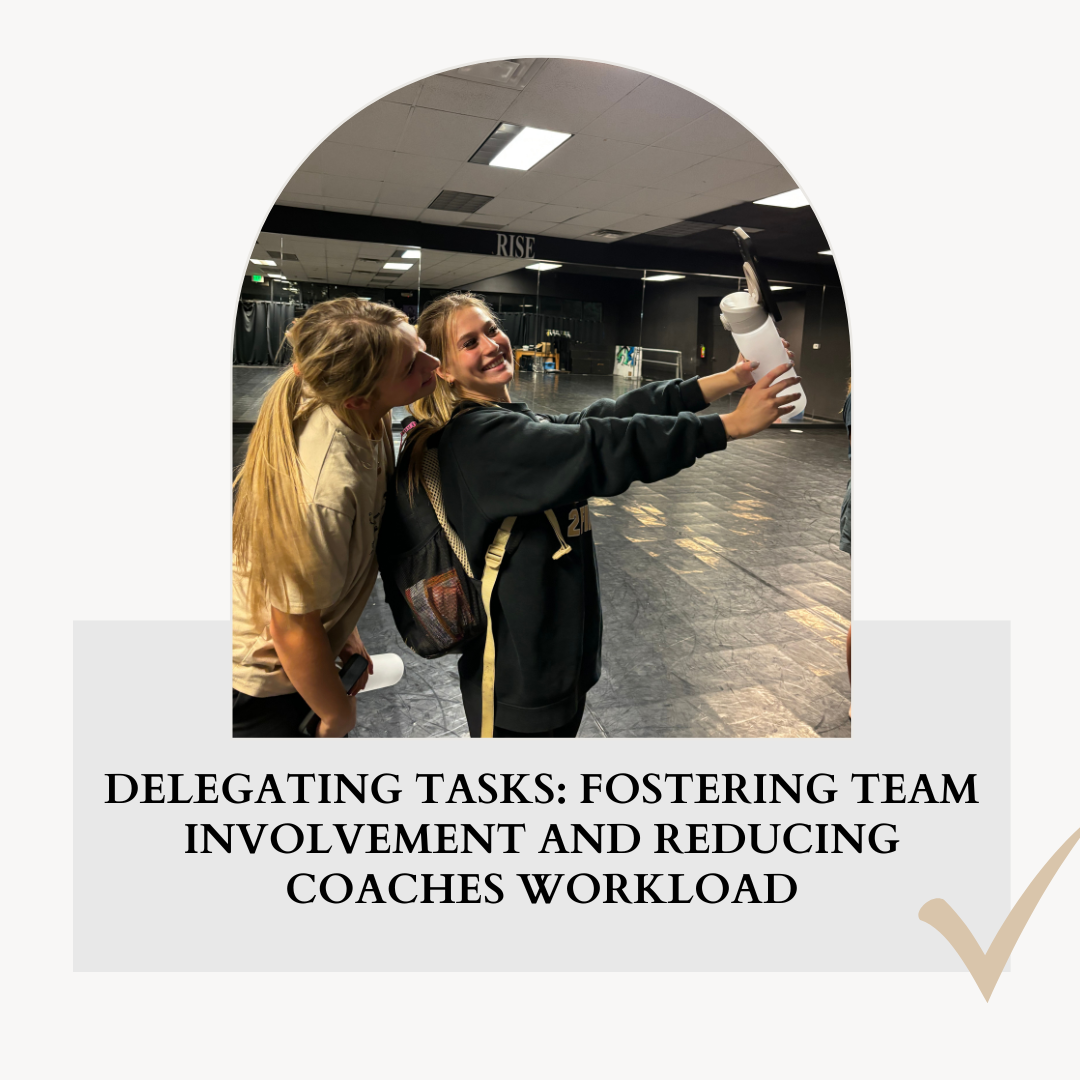
In the dynamic world of dance coaching, it's not uncommon for coaches to find themselves juggling numerous responsibilities. From choreography planning to administrative tasks, to second jobs, the workload can quickly become overwhelming. However, one effective strategy for managing this workload while fostering a sense of team involvement is delegating tasks to dancers.
Delegation involves entrusting specific tasks or responsibilities to members of your team. By distributing tasks among dancers, you not only alleviate some of the workload on your shoulders but also empower your team members to take ownership and contribute to the collective success of the group. Additionally, delegating tasks can provide valuable learning opportunities for dancers to develop new skills and enhance their sense of responsibility.
Assigning Roles and Responsibilities
When delegating tasks to dancers, it's essential to consider each individual's strengths, interests, and availability. Assigning roles and responsibilities that align with their skills and preferences can increase motivation and engagement. Here are some examples of tasks that can be delegated to dancers:
Choreography Assistance: Assign dancers to collaborate with you in creating choreography for routines. This not only lightens your workload but also fosters creativity and collaboration within the team.
Rhinestoning Team: As is widely recognized, the process of rhinestoning is both time-consuming and requires meticulous attention to detail. Delegating this responsibility to dancers who excel in this task not only saves valuable time but also provides a calming and enjoyable activity for those who appreciate it.
Leadership Roles: Identify dancers who demonstrate strong leadership skills and appoint them as team captains or mentors. These individuals can assist in leading warm-ups, coordinating group activities, and providing support to their fellow teammates.
Social Media Team: Social media is crucial for dance teams to showcase their talent, help with recruitment and engage with the community. It can feel daunting to handle it all as a coach. Members of the social media team can be tasked with content creation, scheduling posts, engagement and interaction.
Recruiting Team: Many coaches juggle additional responsibilities, which can limit their availability on campus to meet with potential dancers consistently. To address this challenge, the recruitment team steps in to meet with interested dancers, provide brief tours, offer guidance, and address any inquiries they may have. They can also help plan and assist recruiting camps and events.
Appearance Request Team: Allows coaches to efficiently manage and coordinate appearance requests from external events, such as community performances, fundraisers, or promotional events. By delegating these tasks to a dedicated team, coaches can focus on their primary responsibilities.
Weight Room Leader: Having designated weight room leads empowers dancers to take ownership of their fitness goals and motivates them to lead by example. This delegation of responsibility fosters leadership skills and encourages teamwork as dancers collaborate to support each other's progress in the weight room.
Student Athlete Representative: It provides a platform for the dance program to have a voice and presence within the broader athletic community, fostering recognition and respect for the team. This initiative strengthens the visibility and influence of the dance program while providing valuable leadership experience for the selected dancer.
Benefits of Delegation
Delegating tasks to dancers offers numerous benefits for both coaches and team members:
Shared Responsibility: By involving dancers in various aspects of team management, you foster a sense of shared responsibility and ownership among team members.
Skill Development: Delegating tasks provides dancers with opportunities to develop valuable skills such as leadership, communication, and organization. Additionally, they can build their resumes with these experiences, which will benefit them in the future.
Time Management: By distributing tasks effectively, you can streamline workflow and allocate more time and energy to coaching and mentoring your team.
Team Cohesion: Involving dancers in decision-making processes and collaborative projects strengthens bonds within the team and promotes a sense of unity and camaraderie.
Delegating tasks to dancers is a valuable strategy for promoting team involvement, reducing workload, and fostering a supportive and collaborative environment. By empowering dancers to take on responsibilities and contribute to the success of the team, coaches can cultivate a sense of ownership and shared accountability. As you navigate your coaching journey, consider the unique strengths and talents of your team members and leverage delegation as a tool for collective growth and achievement.