Recovery: The Key to Sustaining a Long Dance Career.
In this blog post, you'll explore the critical role of recovery in sustaining a long and healthy dance career. Traditionally, dancers have adhered to the "practice makes perfect" mantra, often pushing their physical and mental limits. However, this post emphasizes the importance of prioritizing recovery to rejuvenate the body, prevent injuries, and maintain mental well-being. You'll learn about the physical benefits of recovery, affordable recovery tools, and essential tips to integrate recovery practices into your routine, ensuring a balanced and enduring dance journey.
In the past, dancers lived by the mantra “practice makes perfect”. Ingrained into their everyday vocabulary both on and off the stage. Training, going across the floor over and over and over until they would perfect a certain skill. Spending countless hours at the studio, limiting their time for studies, friends, social events and family bonding. Harnessing their skill set, mastering various styles and pushing their physical and mental limits to the max in hopes to see instant improvement. Mentally spiraling telling themselves “I am not enough. I need to do more”. Dancers possess an incredible amount of dedication to their training, pushing their limits everytime they are in the studio.
However, amidst the rigorous training, rehearsals, and performances, it is crucial to prioritize recovery. Recovery allows dancers to rejuvenate their bodies, prevent injuries, and maintain their mental well-being. If dancers prioritize recovery, and treat it just as importantly as their training, they will sustain their dance careers both physically and mentally.
The Physical Benefits of Recovery
Restoring Muscular Strength and Endurance
Intense dance training can lead to muscular fatigue and breakdown. Adequate recovery time allows the muscles to repair and rebuild, enhancing strength and endurance. We'll discuss the importance of incorporating rest days, proper sleep, and nutrition to optimize physical recovery.
Preventing Injuries
Overuse injuries are common among dancers. Recovery periods provide an opportunity to identify and address any potential issues before they escalate. We'll explore techniques such as stretching, foam rolling, and cross-training to minimize the risk of injuries and maintain peak physical condition.
Promotes Mental Health
Dance is not just a physically demanding art form; it also requires immense mental focus. Continuous training and performing can lead to performance anxiety and mental exhaustion. Its key is to incorporate recovery practices, such as meditation, breathing exercises, and mindfulness, to help dancers manage anxiety and cultivate a positive mindset.
Recovery Tools
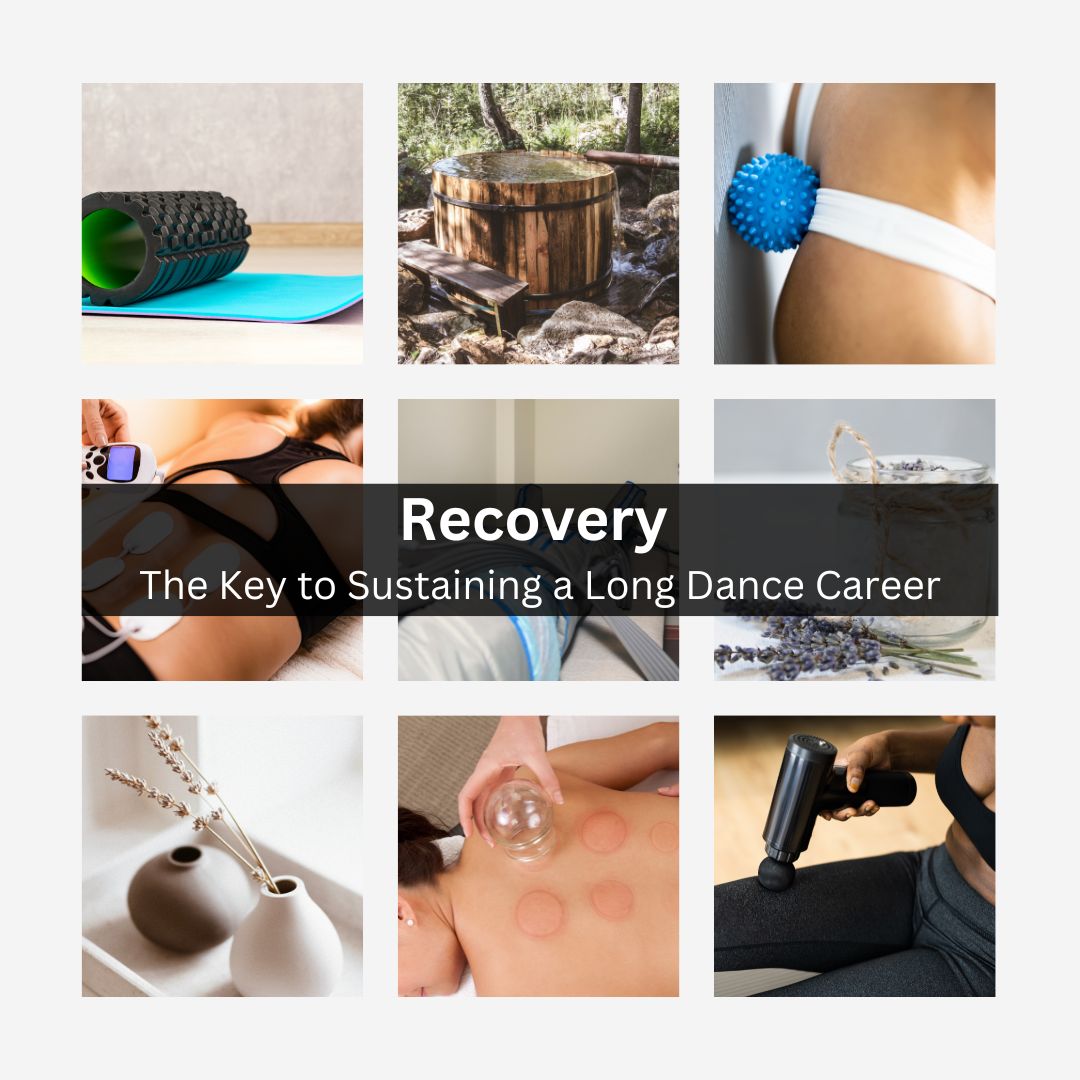
While physical recovery is crucial for dancers, it's important to acknowledge that it can also come with a financial cost. The expenses associated with recovery methods and practices can vary depending on individual needs and preferences. For instance, seeking professional assistance from physical therapists, massage therapists, chiropractors, and acupuncturists may require financial investment. We want to offer some low cost and affordable recovery tools that will keep you healthy and feeling better than ever before your training sessions!
Hot Take: Throwing IcyHot on an injury or sore muscle is just a quick fix and will not be beneficial over time.
Affordable Recovery Tools:
Thera Gun
TENS Muscle Stimulator Machine
Epsom Salt Bath
Foam Roller
Trigger Point Massage Ball
Foot Roller
Hot/Cold Packs
Cryo Ball
If you are feeling extra:
Ice Bath
Sequential Compression Device (SCD)
Red Light Therapy
Deep Tissue Massage
Vyper- vibrating foam roller
Cupping
Pro Tip: The tension and stress you experience in your glutes, hamstrings, and calves often originate from the arches of your feet. To alleviate this discomfort, begin by massaging your foot arches and gradually move up your leg to effectively release muscle tension.