Team Bonding: Understanding Its Significance and Integrating It into Regular Practice
Sports teams inevitably encounter obstacles when bringing together individuals with diverse backgrounds, perspectives, attitudes, and personalities. As coaches, our aim is to identify opportunities to foster harmony and cultivate mutual understanding among our athletes, ultimately paving the way for success.
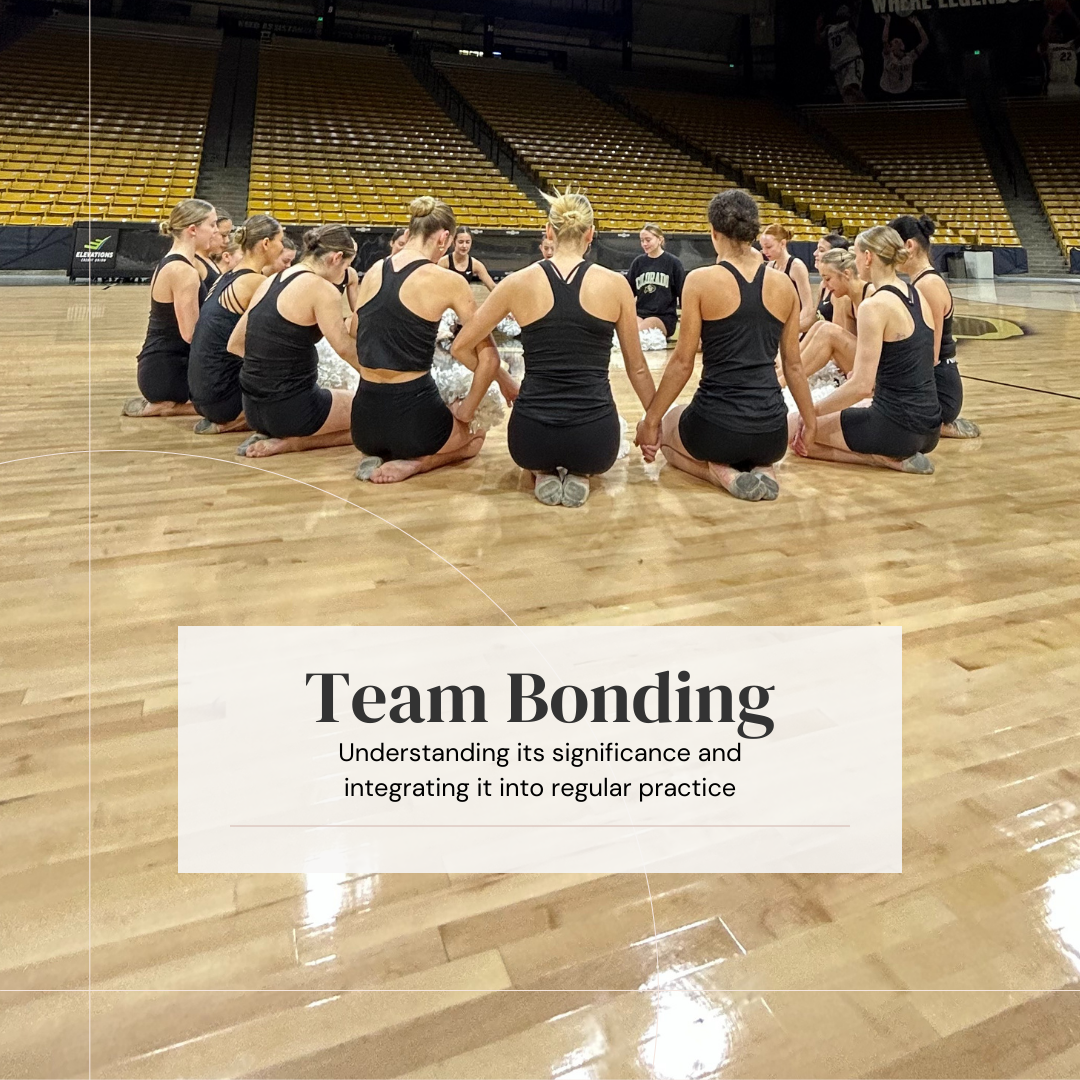
Three crucial elements contribute significantly to team bonding: establishing trust, effective communication, and promoting unity.
In dance, trust is indispensable. Whether its taking the floor with your team, cleaning a section, drilling your turns, or executing intricate lifts, dancers must have implicit trust in each other's abilities. Team bonding activities create a foundation of trust by fostering understanding and camaraderie among team members.
Effective communication is the backbone of any successful dance routine. Team bonding exercises encourage open dialogue and active listening, allowing dancers to better convey ideas, provide constructive feedback, and support each other on and off the stage.
A dance team is a cohesive unit, and unity among its members is crucial for achieving collective goals. Through team bonding activities, dancers develop a sense of belonging and solidarity, leading to a stronger, more unified team dynamic.
Integrating Team Bonding into Practice
Silly Games and Activities: This does not have to happen every practice, as we know there are always time constraints. However from time to time, kick off practice sessions with fun activities to loosen up the atmosphere and encourage interaction among team members. This could include games like Two Truths and a Lie, Human Knot, and my personal favorite Just Dance. Just Dance is not only a great way to laugh but serves as a fun and different cardio warm up!
Collaborative Choreography Sessions: Allocate time for collaborative choreography sessions where dancers work together to create new routines. This not only fosters creativity but also encourages teamwork and cooperation as dancers collaborate to bring their collective vision to life.
Goal Setting:Incorporating goal setting into practice sessions is a pivotal aspect of integrating team bonding. By collectively setting goals, dancers not only align their aspirations but also foster a sense of shared purpose and commitment within the team. You can write daily goals, word of the day, and long term goals on the mirrors to keep dancers focused and motivated.
Appreciation Activity: Periodically, I would engage my team in this exercise, which serves to make dancers feel acknowledged and cherished by their peers. Each dancer starts with a piece of paper, writing their name at the top. Then, we pass the papers clockwise, allowing each team member to express their gratitude towards the dancer named on the paper. By the end, the dancer will have received notes from every teammate, serving as a powerful reminder of their value and the commitment shared within the team.
Establishing Rituals: Incorporate team rituals into your practice routine, such as pre-performance playlists, post-practice reflections, meditation, etc. These rituals serve as anchor points for team members, fostering a sense of continuity and shared experience. When dancers know what to expect, it helps them feel more in control and connected to their peers.
Encouraging Peer Support: Create opportunities for peer mentoring and support within the team. Pair experienced dancers with newcomers or assign buddy systems to ensure that every member feels supported and valued.
Celebrating the Small Wins: Acknowledge and celebrate milestones together, whether it's a successful performance, a breakthrough in choreography, or personal achievements of team members. Recognizing accomplishments reinforces team spirit and motivates dancers to continue striving for excellence.
In the world of dance, the bonds forged between team members are as essential as the steps they perform. By prioritizing team bonding and integrating it into regular practice, dance teams can cultivate a supportive and cohesive environment where each member feels valued, inspired, and empowered to reach their full potential. Ultimately, it is these strong connections that elevate a group of dancers from mere performers to a unified and extraordinary team.