The Importance of Cross Training for Dancers
Dance is a physically demanding art form that requires strength, flexibility, endurance, and agility. While regular dance practice is essential for improving technique and mastering choreography, cross training plays a crucial role in enhancing overall performance and preventing injuries.
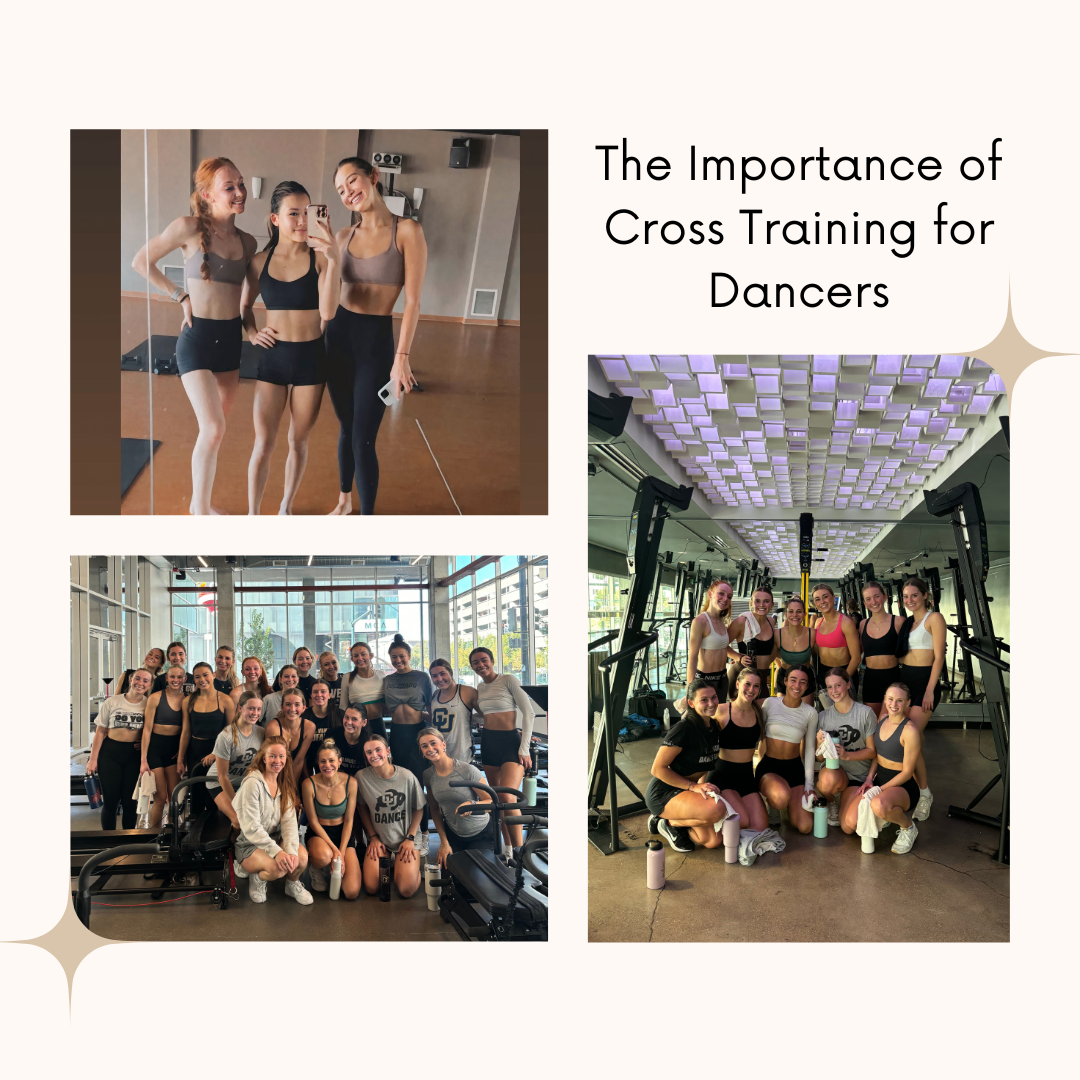
Benefits of Cross Training for Dancers
Injury Prevention: Dancing puts repetitive stress on certain muscles and joints, increasing the risk of overuse injuries. Cross training helps alleviate this risk by distributing the workload across different muscle groups and reducing strain on vulnerable areas.
Improved Strength and Conditioning: Cross training activities such as strength training, yoga, and pilates build muscular strength, endurance, and stability, enhancing dancers' ability to execute movements with power and control.
Enhanced Flexibility and Range of Motion: Incorporating activities like yoga and stretching routines into your training regimen can improve flexibility and joint mobility, allowing dancers to achieve greater range of motion and fluidity in their movements.
Cardiovascular Fitness: Aerobic exercises such as swimming, cycling, or running improve cardiovascular health and stamina, vital for sustaining energy levels during prolonged dance rehearsals or performances.
Mental Refreshment: Cross training introduces variety into your workout routine, preventing boredom and burnout. Engaging in different activities stimulates the mind and provides a mental break from the intensity of dance training.
Effective Cross Training Activities
Strength Training: Focus on exercises that target major muscle groups, including squats, lunges, deadlifts, and planks. Incorporate resistance bands, free weights, or bodyweight exercises to build strength and stability.
Yoga and Pilates: These practices promote flexibility, core strength, and body awareness, essential for maintaining proper alignment and posture in dance movements.
Swimming: A low-impact cardiovascular workout that improves endurance and promotes full-body strength and coordination.
Cycling or Spinning: Builds leg strength, cardiovascular fitness, and stamina while minimizing impact on the joints.
Interval Training: Alternating between periods of high-intensity activity and rest improves aerobic capacity and endurance, simulating the dynamic nature of dance.
Cross training is a valuable complement to dance practice, offering numerous benefits that enhance performance and reduce the risk of injury. By incorporating a variety of activities into your training routine, you can develop a strong, resilient body capable of meeting the physical demands of dance while maintaining overall health and well-being.