The Next Move: How College Dancers Can Start Planning for Life After Dance
Transitioning from college dance to life off campus can feel overwhelming, but with the right preparation, dancers can set themselves up for success. This blog explores how dancers can identify transferable skills, explore career paths, build networks, and find new hobbies to channel their creativity. It also highlights the important role college coaches play in guiding dancers toward their next chapter.
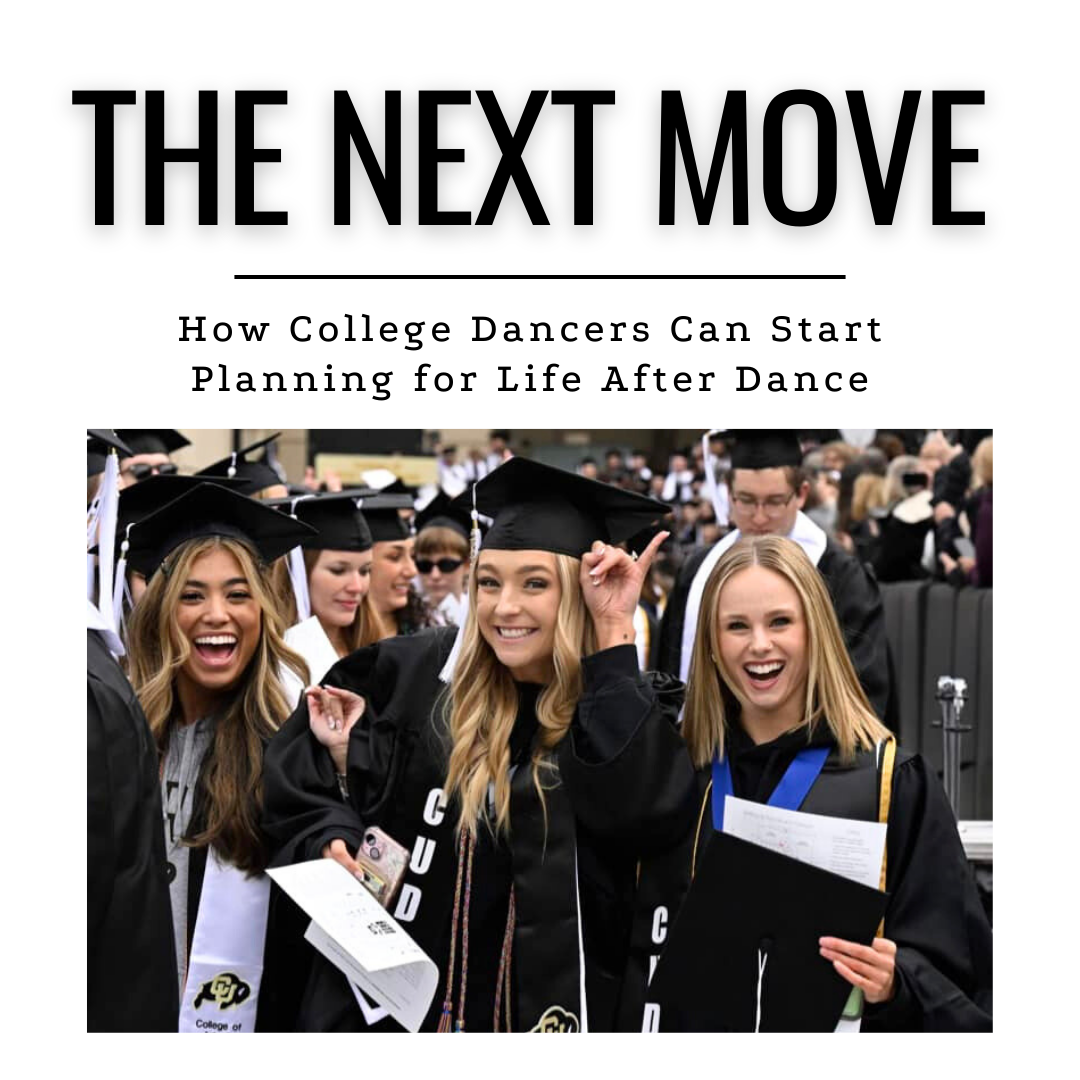
For many collegiate dancers, the thought of life after dance can feel overwhelming. After years of rigorous training, filled schedules, and competitions, transitioning away from structured dance life is a major adjustment. However, with the right mindset and preparation, dancers can set themselves up for success in whatever path they choose next. College coaches also play a crucial role in guiding their dancers through this transition, helping them navigate career opportunities, networking, and skill development. Here’s how dancers and coaches can work together to plan for life beyond the dance floor.
Identifying Transferable Skills
Dancers develop a wealth of skills that apply to a variety of careers beyond dance. These include:
Discipline & Time Management – Juggling classes, practices, games, leadership trainings and more requires strong organizational skills.
Teamwork & Leadership – Working within a team, leading peers, and following direction translates to many industries.
Adaptability & Quick Learning – Picking up choreography quickly and making adjustments in real time, mirrors the ability to adapt in fast-paced work environments.
Work Ethic & Perseverance – The dedication required to master routines is invaluable in any career path.
Recognizing these transferable skills helps dancers feel confident in applying for jobs outside of the dance world.
Exploring Career Paths Related to Dance
For those who still want to be involved in dance, these are examples of several career paths allow them to stay connected to their passion:
Coaching & Choreography – Coaching high school or collegiate teams, judging competitions, or choreographing for studios.
Dance Medicine & Physical Therapy – Specializing in sports therapy, massage therapy, or injury prevention for dancers.
Arts Administration – Working behind the scenes for dance companies, competitions, or performance venues.
Marketing & Social Media for Dance Programs – Managing social media accounts for teams, brands, or organizations.
Dance Journalism & Content Creation – Writing, blogging, or creating video content about dance and training.
Utilizing Networking & Mentorship
Building connections is key in finding post-college opportunities. Dancers should:
Stay in touch with alumni – Former teammates can provide insights and potential job connections.
Attend industry events & workshops – Networking with professionals can lead to opportunities in coaching, judging, or business roles.
Connect with their college coaches – Coaches often have connections to programs, studios, and organizations that may be hiring.
Join social groups such as Facebook of LinkedIn to look for job opportunities – There is always a need for good dance teachers, and these groups can help dancers find openings in studios, schools, and teams.
Finding a New Hobby for Joy & Creativity
Stepping away from structured dance life doesn’t mean giving up on creativity and movement. Finding a new hobby can bring joy and fulfillment while channeling energy in a different way. Dancers a few examples of what dancers can explore:
Fun exercise classes – Pilates, yoga, cycling, or aerial arts can help maintain flexibility and strength.
Outdoor activities – Hiking, skiing, running or swimming can offer new challenges and a break from studio life.
Creative outlets – Painting, photography, writing, or playing an instrument can keep artistic expression alive.
Choreographing & teaching – Even without competing, dancers can find joy in creating movement for others.
Community engagement – Volunteering with youth programs, dance outreach initiatives, or local theater productions.
Developing Professional Skills & Resumes
Dancers should prepare for post-college life by:
Creating a well-rounded resume – Highlighting leadership roles, competition experience, and skills beyond dance.
Practicing interview skills – Confidence in interviews can make a big difference in job applications.
Building an online presence – Showcasing dance experience through social media or a professional website can attract opportunities.
How College Coaches Can Help
College dance coaches can be instrumental in guiding their dancers through this transition. Coaches can:
Encourage career discussions early – Helping dancers think about their future beyond dance.
Provide networking opportunities – Connecting dancers with alumni, professionals, and guest speakers.
Offer mentorship & resume guidance – Reviewing resumes and giving career advice tailored to dancers.
Introduce job shadowing or internships – Encouraging dancers to gain real-world experience in potential career paths.
The end of a college dance career doesn’t mean the end of a dancer’s passion for their craft. By recognizing their transferable skills, exploring career paths, networking, and leveraging mentorship from their coaches, college dancers can step into the next chapter with confidence. Coaches, in turn, have the opportunity to shape not just their dancers' time on the team but also their futures beyond it.