What to Do When You Don’t Agree with Audition Results
This supportive guide helps dancers and parents navigate the difficult emotions and next steps after disappointing dance audition results. The post provides actionable strategies for processing rejection healthily, seeking constructive feedback, and maintaining perspective while continuing to pursue dance goals.
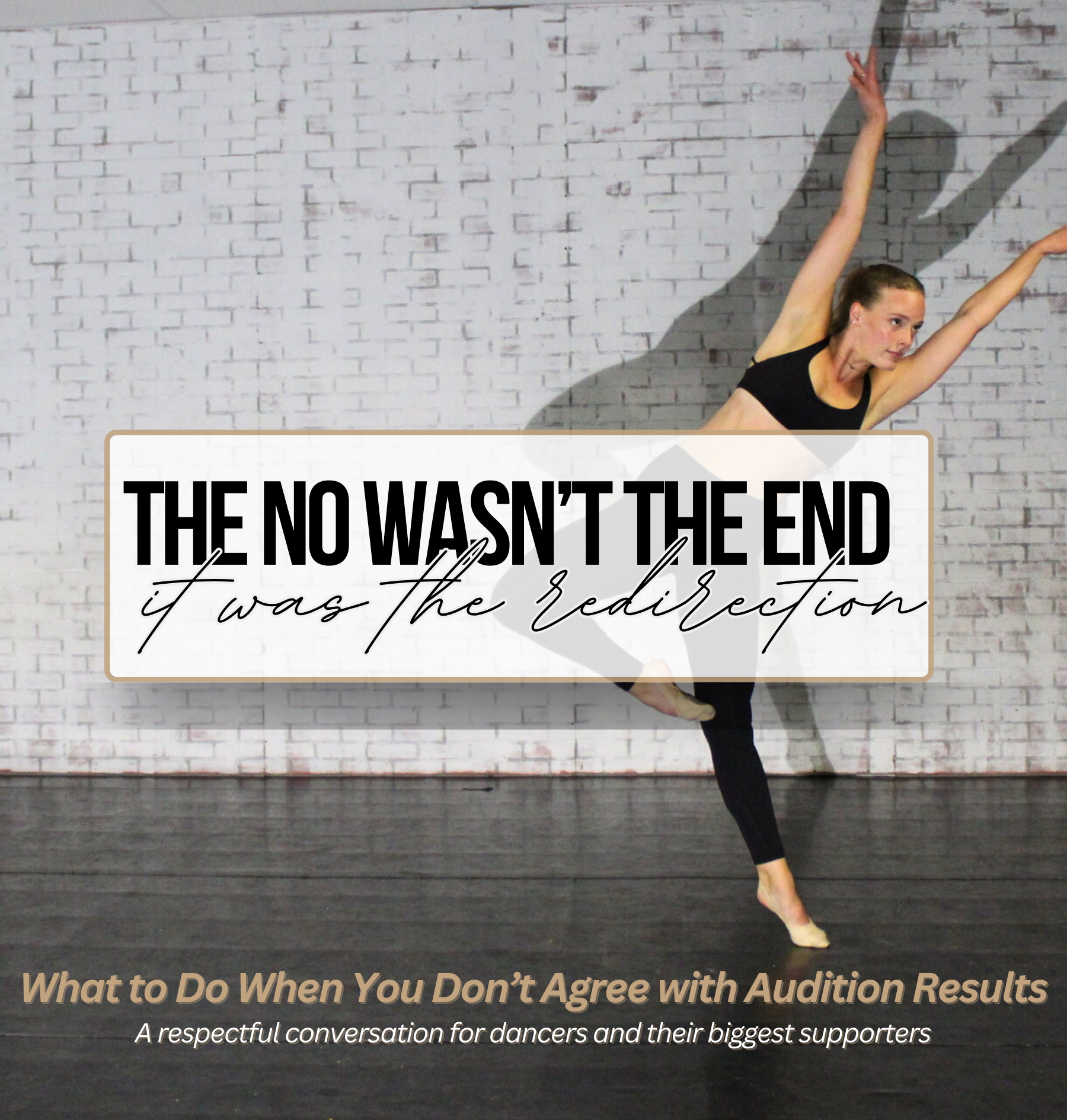
The Sting of Disappointment Is Real
We’ve all been there — refreshing an email, waiting for a callback list, or standing in a studio with a heart racing, only to hear a result that feels like a punch to the gut. Whether you’re a dancer who poured everything into an audition or a parent who watched the late nights, rehearsals, and sacrifices, not hearing your name can feel confusing, frustrating, and deeply disappointing.
It’s okay to feel all of that.
This post is meant to help both dancers and parents process audition results they don’t agree with — without burning bridges, spiraling into self-doubt, or giving up on a dream. Let’s take a breath, zoom out, and walk through what you can do next.
For Dancers — Feel First, Then Reflect
1. You’re Allowed to Be Upset
Don’t bottle it up. Dance is personal. It’s okay to cry, rant, go for a walk, or talk to someone you trust. The feeling of rejection isn’t a sign of weakness — it’s a sign you cared.
2. Separate Emotion from Evaluation
After the emotion settles (give it a day, a week or even a month!), return to the experience as objectively as you can. Ask yourself:
Where did I feel strongest?
What feedback did I receive (or overhear)?
Was I coachable? Did I show I am a team player?
What were they looking for in a candidate this year?
Sometimes it’s not about being “good enough” — it’s about being the right fit for that moment.
3. Ask for Feedback (the Right Way)
If the program allows it, reach out politely to the coach. Here's a respectful script:
"Hi Coach [Name], thank you for the opportunity to audition for your team. I’m committed to growing as a dancer and would love any feedback you’re willing to share that could help me improve for the future. I really admire your program and appreciate your time."
Not every coach will respond, but when they do, take their words seriously. Growth happens here.
For Parents — Support Without Overstepping
1. Resist the Urge to “Fix” It
It's natural to want to protect your child, especially when you saw how hard they worked. But questioning coaches publicly or suggesting it was “political” can unintentionally diminish your dancer’s growth opportunity. Your dancer needs a calm anchor more than a fixer right now.
2. Listen First
Instead of jumping into what you think happened, ask your dancer:
How did you feel in the audition?
What parts felt strong? What felt hard?
Is this something you want to try again?
This opens the door for reflection rather than reaction.
3. Model Resilience
The way you talk about this loss will stick. If you frame it as a one-time injustice, it can sour your dancer’s relationship with the sport. If you frame it as a challenge and a stepping stone, they’ll learn to rise, not retreat.
The Bigger Picture (That’s Hard to See Right Away)
Sometimes… it just wasn’t your season.
Teams are building a puzzle, and you may not have been the right fit at this time. That doesn’t mean you aren’t valuable, just that there may be a better fit elsewhere or later.
Consider:
Re-auditioning next year with new goals
Asking about alternate spots or ways to stay involved
Attending team clinics or events
Exploring other programs with different vibes, values, or recruitment models
And always ask yourself:
Would I still want to attend this school if I couldn’t dance?
If the answer is yes, you’re in a good place. If not, it might be time to reflect deeper.
The Truth No One Tells You
Here’s what coaches have shared with us behind closed doors:
Sometimes an incredible dancer gets cut because of team balance or overlap with other returners.
Sometimes there are number caps and coaches are allowed to only take a specific amount of dancers
Sometimes dancers who don’t make the team come back stronger and shine brighter the second time.
Sometimes, not making the team redirects a dancer to a path they wouldn’t have discovered otherwise — one that ends up being better.
This isn’t the end of your story, it’s a plot twist. And the best stories? They have the most growth after the hardest chapters.
If you're looking for guidance on next steps, feedback loops, or other team opportunities, Studio 2 Stadium is here to support you. You’re not in this alone and your dream deserves a second (and third, and fourth) shot.