When Competition Becomes Community
Last month, I found myself reflecting on a moment I experienced at the Colorado High School Dance Team State Championships. At the time, it stood out as something special—but after watching UGA Nationals unfold this past weekend, that moment feels even more important to revisit.
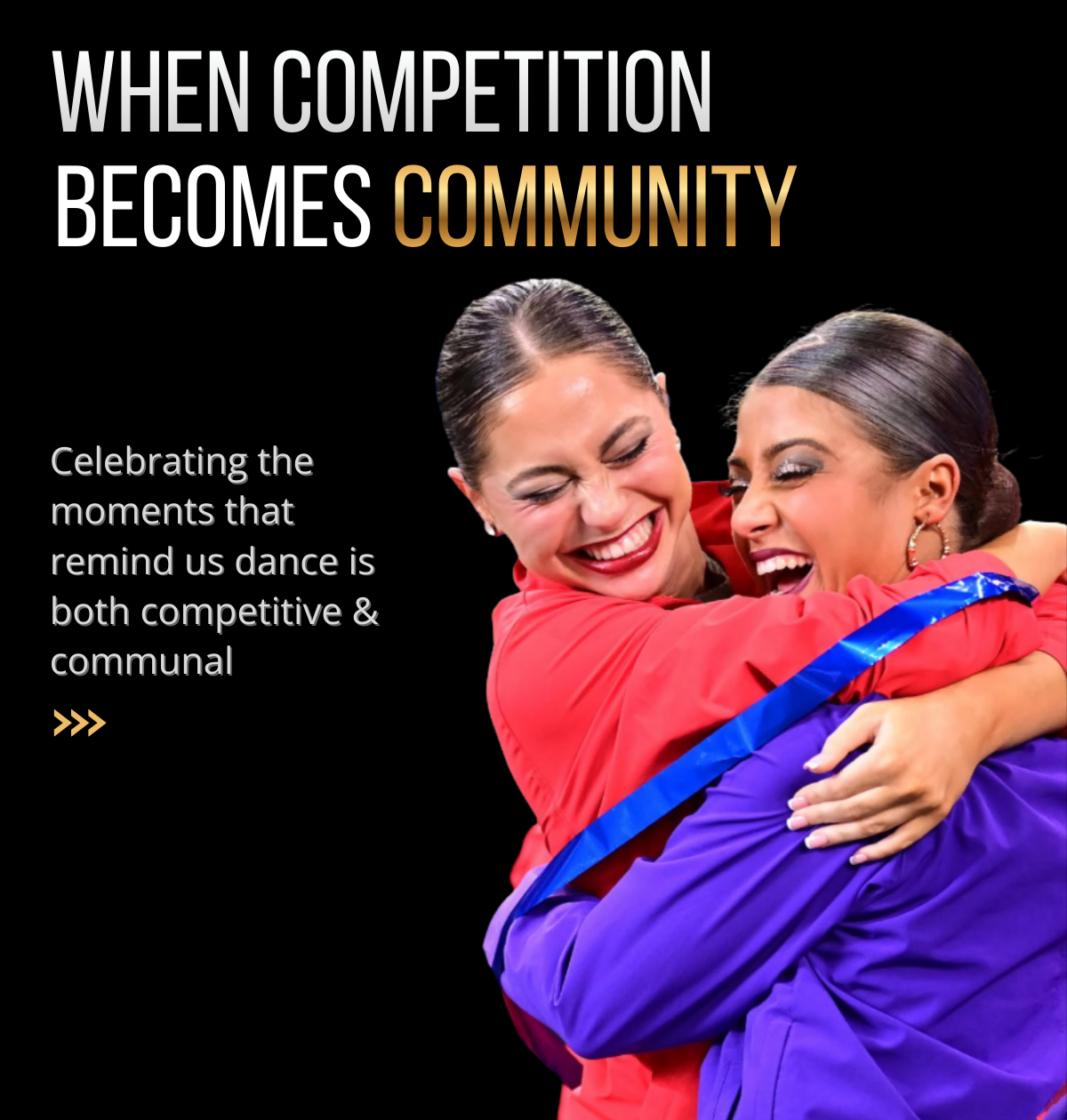
At Colorado state, after prelims, the top two jazz teams advanced to finals. Both programs were nationally recognized, highly competitive, and familiar with pushing one another year after year. I was part of a conversation with two dancers, one from each program, when they began congratulating each other, expressing genuine pride regardless of how awards would turn out.
What made that moment powerful was the history between them. These dancers didn’t start as teammates or close friends. They had competed against each other across multiple settings. At combines, clinics, and even in solo competitions outside of their team seasons. Despite standing on opposite sides of the floor so often, there was nothing but respect.
At the time, I wrote about how moments like that represent what makes an exceptional dancer and an exceptional recruit. Watching UDA Nationals this past weekend only reinforced that belief.
If you’ve seen the viral video of LSU and Ohio State embracing and congratulating one another after awards, you witnessed that same lesson play out on one of the biggest stages in our sport.
Tik Tok Video Link
That moment wasn’t about placement. It was about sportsmanship. Respecting the craft. Appreciating your competitors. And understanding that no matter what the results say, what you put on the floor is something you should always be proud of.
Dance is an opinion-based sport. That reality doesn’t change at the high school level, the collegiate level, or even in the pro world. Every team shows up having poured time, creativity, vulnerability, and heart into their performance. Each routine carries the choreographer’s vision, the team’s identity, and a shared emotional investment and then it’s placed in front of others to be judged.
That’s not easy.
But it’s also what makes this sport so powerful.
Our competitors push us to be better. They force us to evolve, to raise the bar, to dig deeper creatively and emotionally. Without strong competition, this sport wouldn’t grow and without mutual respect, it wouldn’t survive.
At the collegiate level especially, this becomes even more evident. Every team is great. Every program brings something different to the floor stylistically, emotionally, culturally. Those performances are not just routines; they are expressions of connection, trust, and shared purpose.
And while scores and rankings matter and every team there earned their place, they are not the reason this sport and craft exist.
Whether we’re performing on a nationals floor, inside a college basketball arena, or on the sidelines of a football stadium, our job as dancers is the same: to bring people together.
Moments like the ones I witnessed at Colorado state and again at UDA Nationals are reminders of that responsibility. Dance is competitive, yes. But it is also communal. When dancers can hold pride in their own work while genuinely honoring others, they elevate the entire space they’re in.
That is what longevity in this sport looks like.
And that is what truly stands out.